
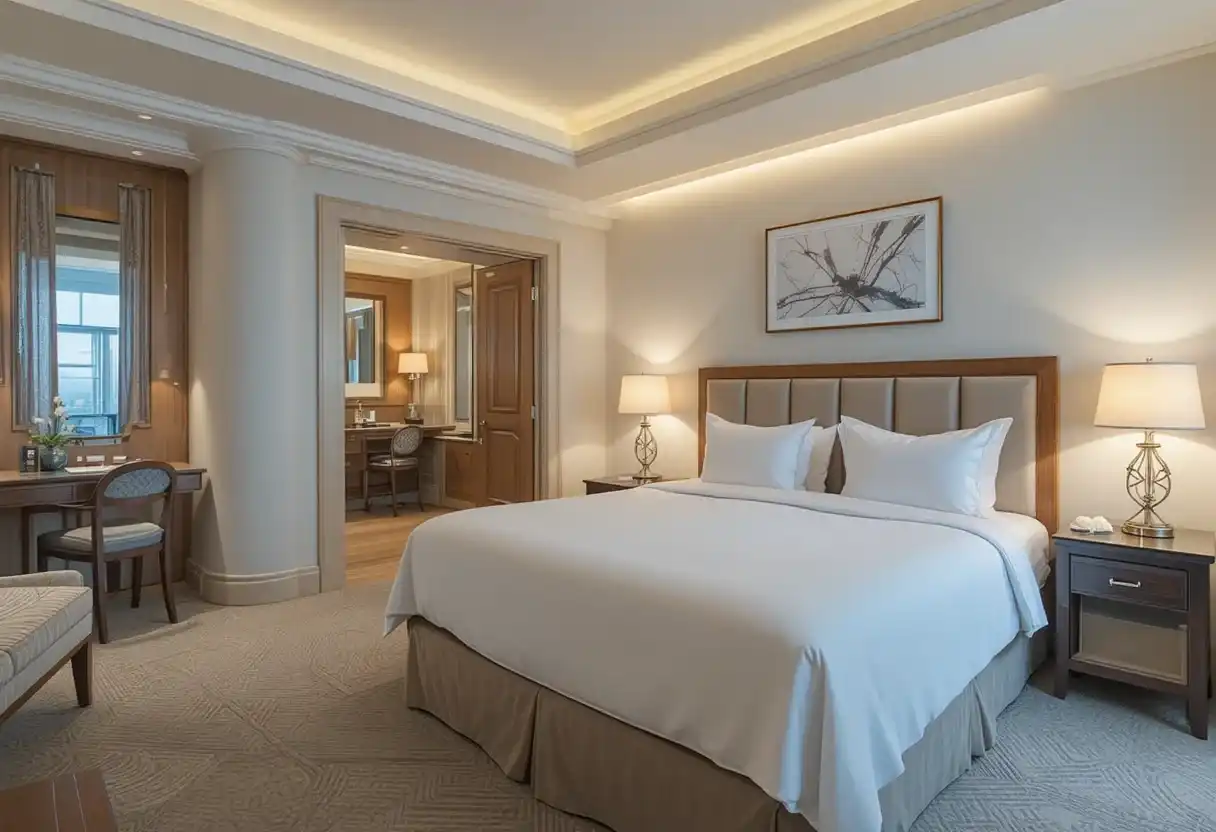
As we look toward interior design directions for 2026, the master bedroom is transitioning from a simple sleeping area into a highly curated, multi-sensory sanctuary. Modern life demands spaces that prioritize mental rest, tactile warmth, and sophisticated functionality. This guide explores twenty elevated design concepts designed to introduce elegance, cohesion, and cozy refinement to your primary suite.
01 — Timeless Ease
Neutral Serenity Spaces
Neutral master bedrooms continue to lead interior choices in 2026, offering a timeless and calming atmosphere that avoids visual noise. Subtle shades like beige, soft off-white, and warm gray work together to establish a relaxing layout where the mind can settle. These tones reflect natural light effectively, keeping compact spaces feeling bright and open.
To prevent a neutral design from appearing flat, focus on layering diverse materials. Combining linen sheets, woven wool rugs, and warm timber surfaces creates a layered look. Adding tactile elements like ceramic vessels or soft accent lighting preserves the minimalist style while introducing a comfortable, inviting warmth.
02 — Intimate Luxury
Romantic Master Suite Vibes
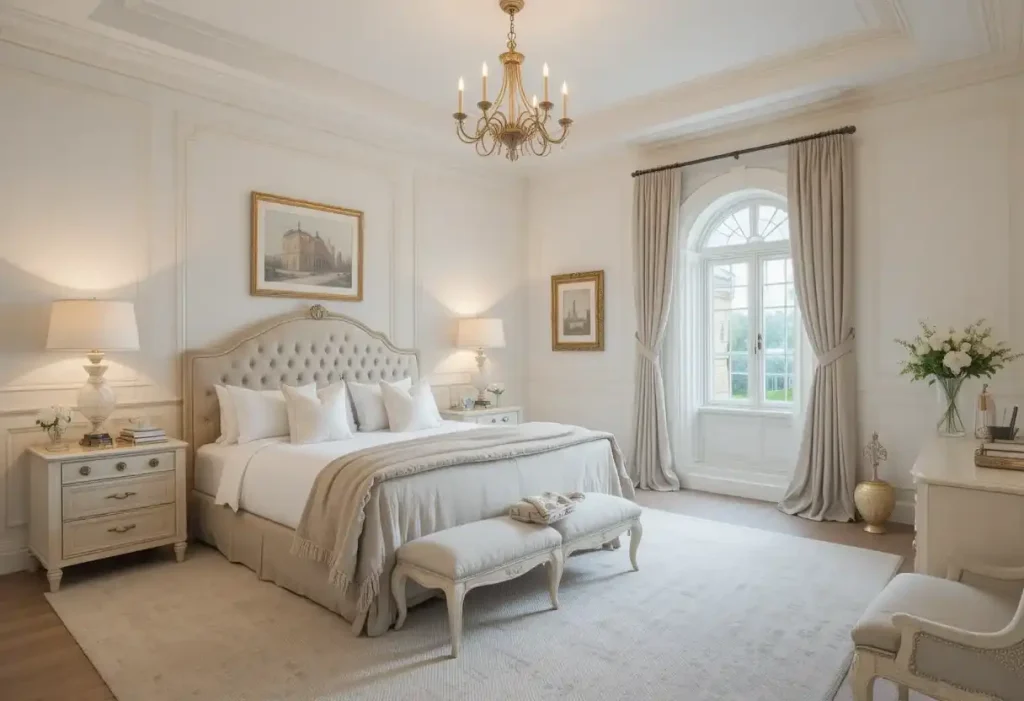
A romantic master suite focuses on creating an intimate, soothing setting where comfort meets classic elegance. Soft fabrics, filtered warm lighting, and a gentle color palette of blush, cream, and champagne tones characterize this style, establishing a peaceful retreat that feels deeply restorative.
Symmetry and soft drapery are central to this design. Incorporating plush velvet throws, silk-blend bedding, and flowing window panels helps build visual depth and tactile luxury. Gentle bedside sconces or shaded table lamps diffuse the light softly, transforming the space into a restful personal haven.
03 — Restrained Lineage
Modern Minimal Retreat
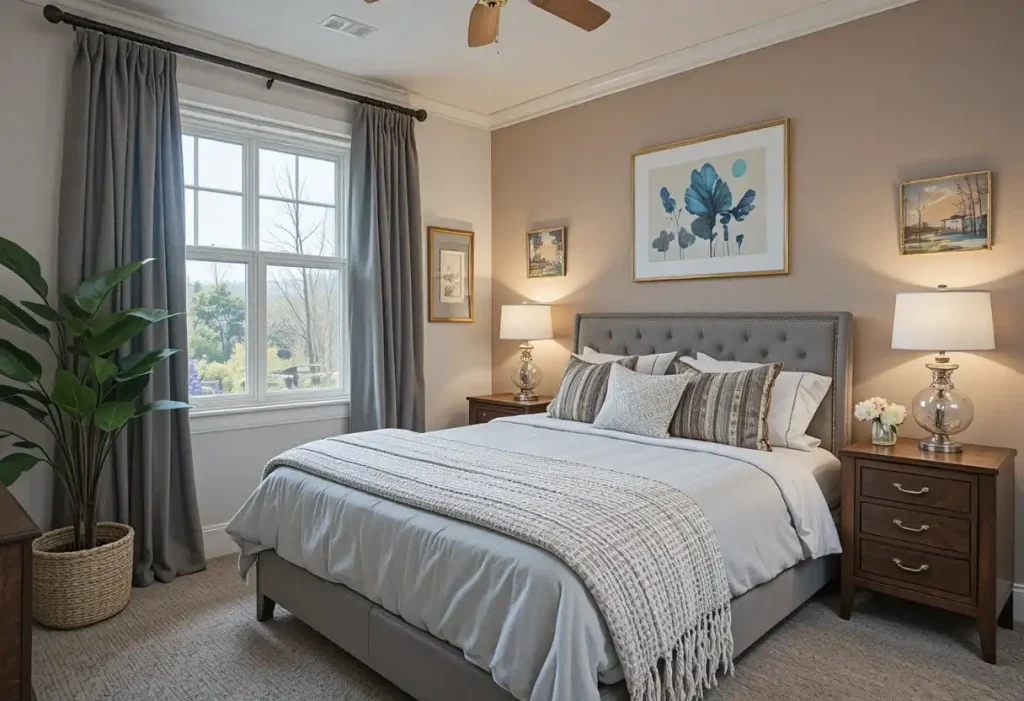
Modern minimalist layouts emphasize simplicity, clear lines, and functional design. Keeping the bedroom free of unnecessary clutter helps promote a restful state of mind while supporting a clean, architectural look. A neutral color scheme, understated low-profile furniture, and minimal decorative accessories define this approach.
To ensure a minimalist space remains inviting rather than cold, integrate highly tactile fabrics. An upholstered fabric headboard or a thick wool area rug introduces textural warmth, balancing clean lines with comfortable, livable surfaces.
04 — Tactile Abundance
Cozy Layered Bedrooms
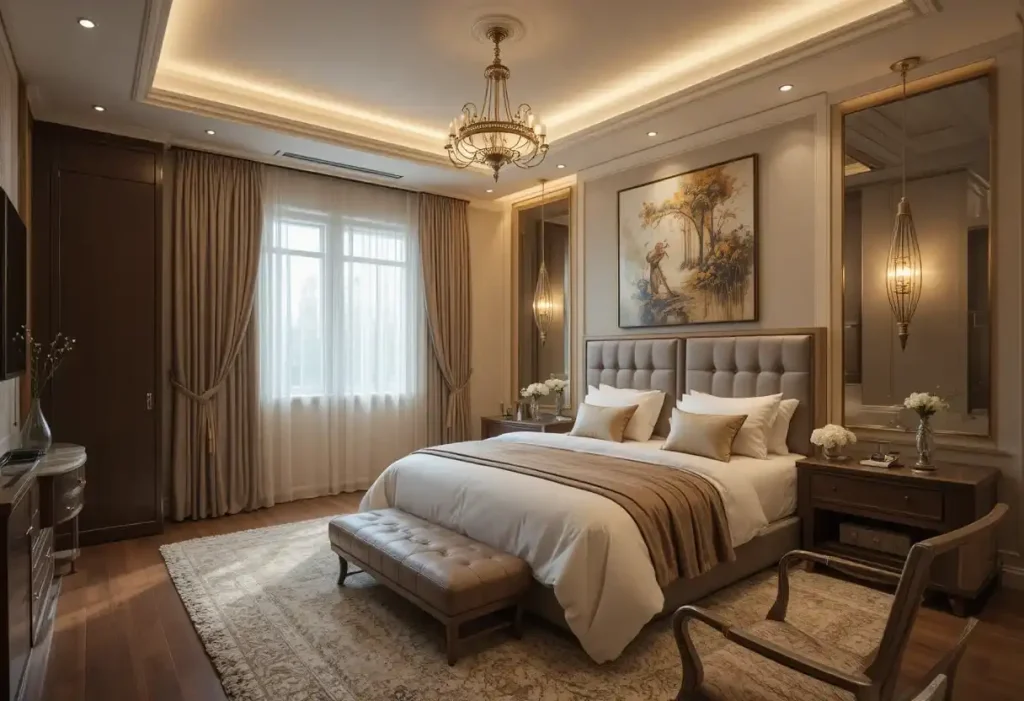
Cozy, layered bedrooms place a strong emphasis on material comfort. Using multiple layers of bedding, dense knit blankets, and soft rugs creates a comforting shelter that invites relaxation at the end of the day.
Warm earth tones like rich taupe, caramel, and soft clay enhance the cozy feel. Mixing different natural fabrics—such as linen, cotton boucle, and wool—adds visual interest and depth without relying on busy patterns.
05 — Biophilic Grounds
Nature-Inspired Bedroom Retreat
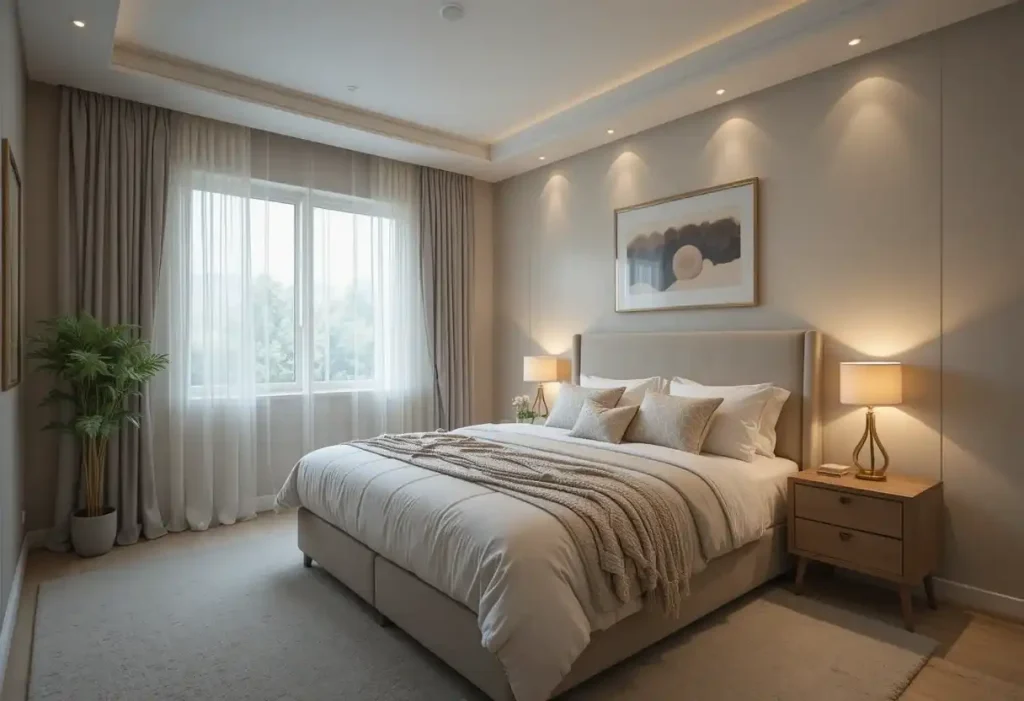
Bringing elements of nature indoors helps create a grounded, calm atmosphere. Incorporating organic tones, living green plants, and authentic materials like natural stone and raw timber fosters a peaceful connection to the outdoors.
Maximizing soft daylight is key for a nature-inspired design. Lightweight, sheer linen curtains diffuse incoming sunlight beautifully, while open windows keep the air feeling fresh and clear, supporting healthy sleep hygiene.
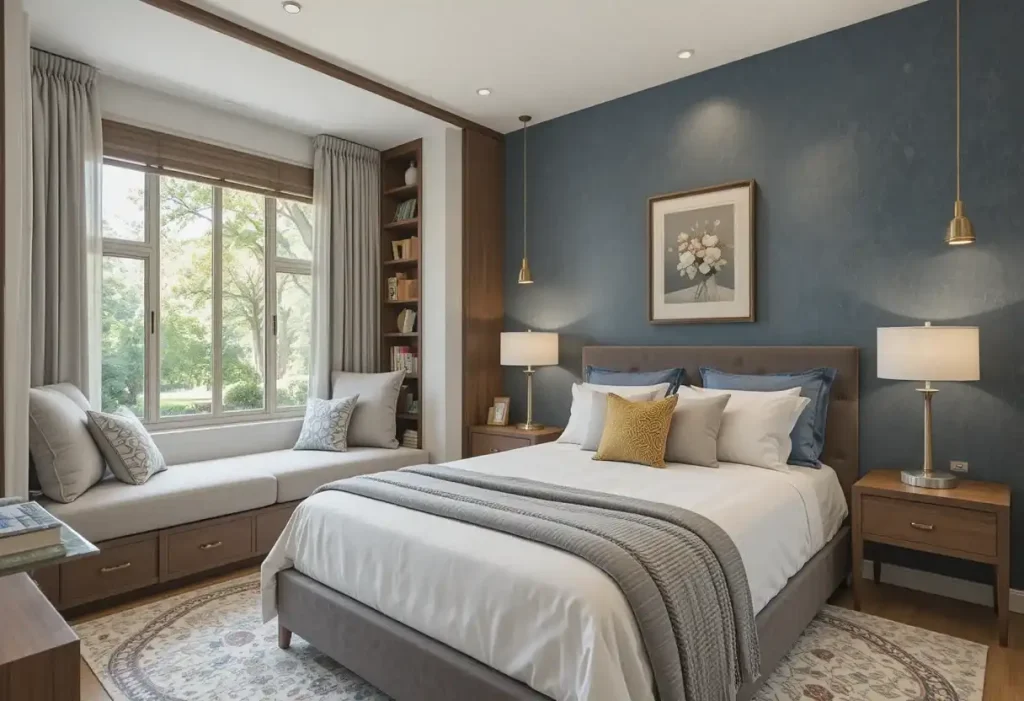
Designing a master suite is an exercise in editing. Select one key element to serve as your visual anchor—whether that is a detailed headboard, a textured accent wall, or a statement light fixture—and allow the surrounding pieces to play a supporting role.
06 — Sculptural Anchors
Statement Headboard Focus
An expressive headboard serves as an effective focal point in any bedroom. Whether you select an oversized upholstered design, a custom wood installation, or a unique curved frame, it helps anchor the bed as the central element of the layout.
Pairing an eye-catching headboard with simple, monochromatic bedding keeps the design clean and balanced. Just as coordinating simple accent details like curated spring door decor sets an open, welcoming tone at your entryway, a well-chosen headboard establishes the design personality of your private room.
07 — Boutique Hospitality
Luxury Hotel Style Bedrooms
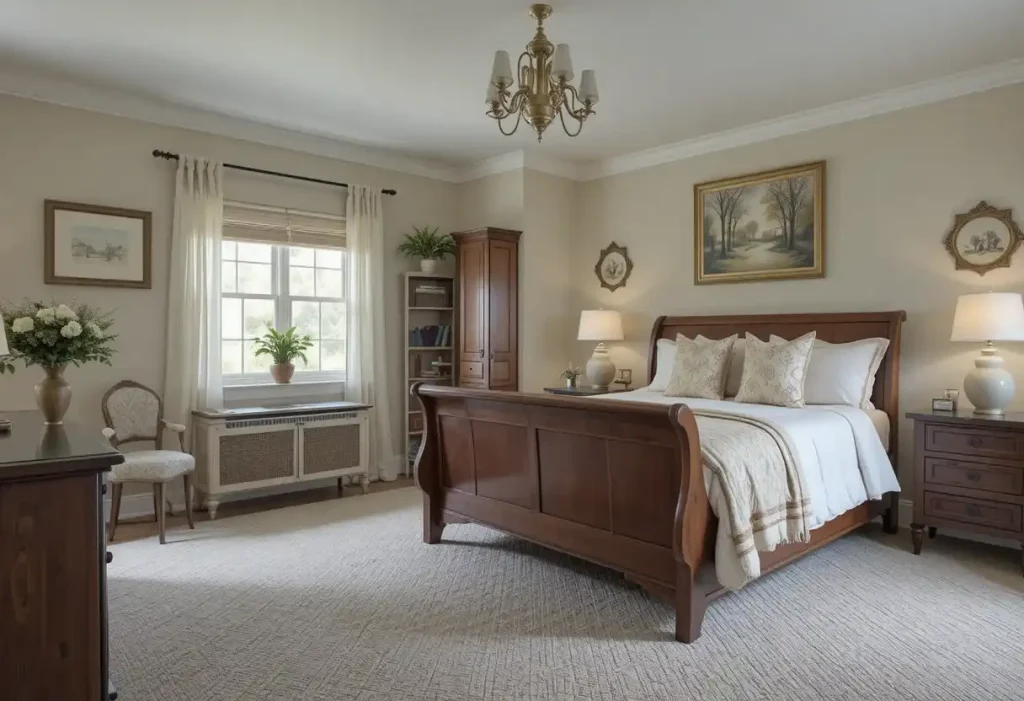
Luxury-hotel-inspired master suites focus on symmetry, carefully balanced layouts, and premium comforts. Crisp, high-thread-count linens, matching bedside tables, and layered lighting options work together to build a refined and sophisticated space.
To recreate this aesthetic at home, invest in premium fabrics and maintain an organized, clutter-free layout. Thoughtful details like an elegant bench at the foot of the bed or a small tray for books and carafe water elevate the daily routine.
08 — Contemporary Comfort
Warm Modern Retreat Design
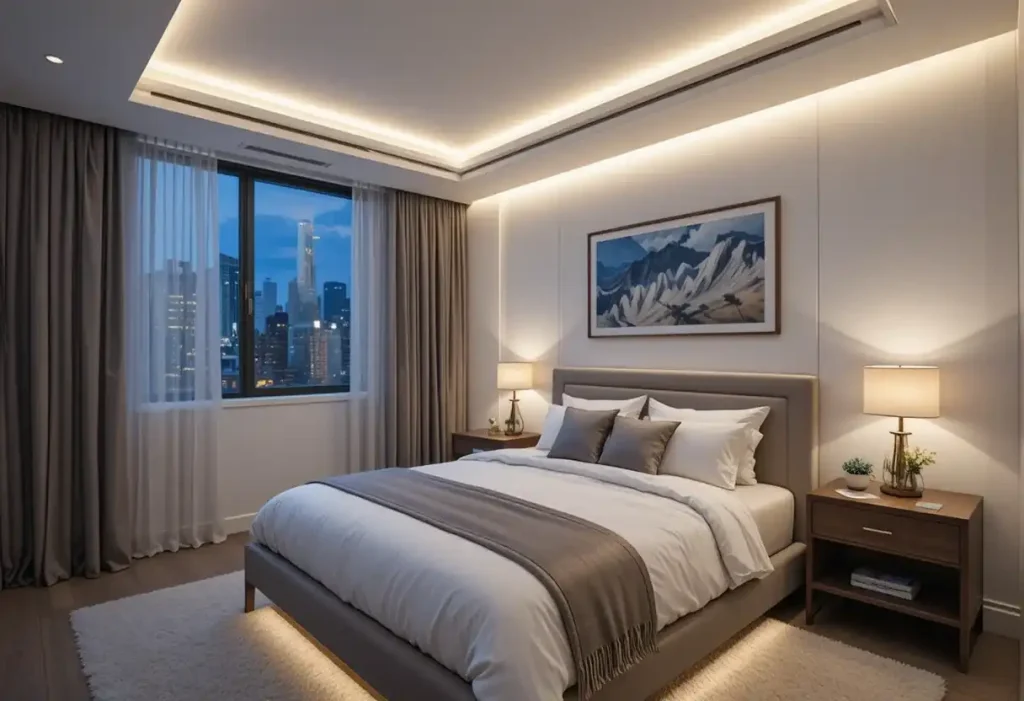
Warm modern designs combine sleek contemporary layouts with inviting organic materials. Rather than leaning into cold, stark minimalism, this approach introduces warm wood tones, matte black fixtures, and soft textiles to keep the space feeling cozy and welcoming.
Using natural oak paneling, charcoal accents, and amber-toned ambient lighting helps soften clean architectural lines, ensuring the bedroom remains modern yet comfortable and livable.
“True primary suite luxury is found in the deliberate curation of materials that appeal to the touch. It is about quiet textures, balanced lighting, and spaces that breathe.”
09 — Zoned Balance
Large Master Bedroom Layouts
For spacious primary suites, the challenge lies in scaling furniture to feel cozy rather than sparse. Dividing the suite into distinct zones—such as a sleeping area, a quiet reading nook, and a dedicated dressing space—helps maximize the utility of the room.
Placing distinct area rugs or arranging furniture thoughtfully helps define each zone clearly. If you are looking for ways to adapt this curated hotel style to spaces of varying scales, exploring balanced guest bedroom ideas can provide helpful layout inspiration.
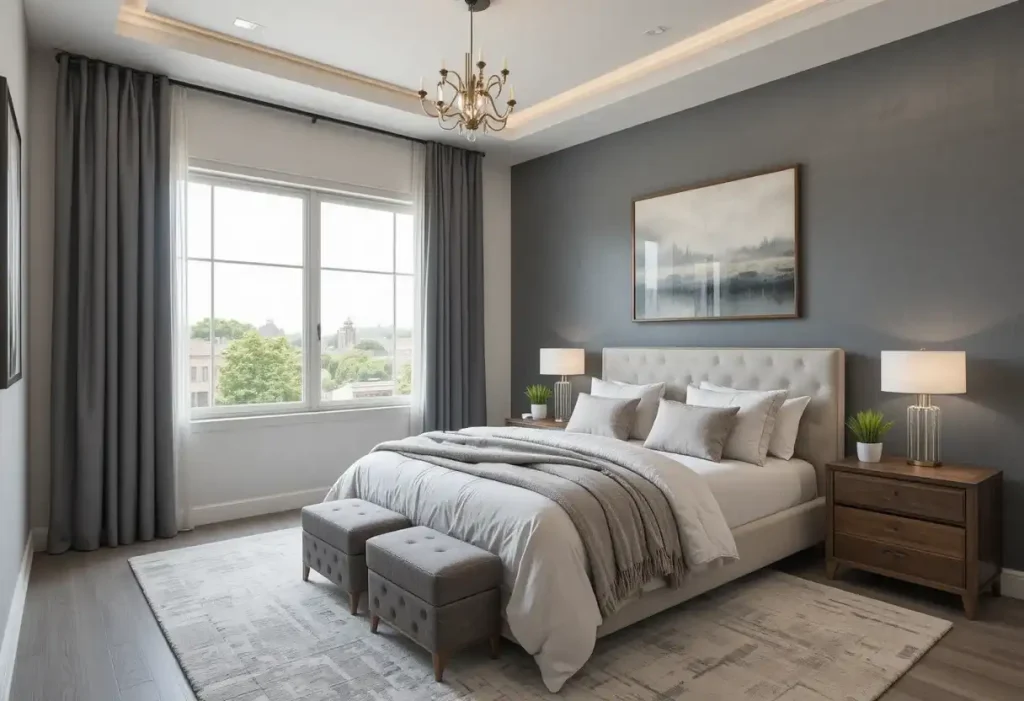
10 — Muted Hues
Soft Pastel Escape
Delicate pastel shades like lavender, soft sage, and pale sky blue offer a light, refreshing alternative to traditional neutrals. These subtle tones bring a gentle hint of color that remains peaceful and easy on the eyes.
Pairing pastel accents with simple, neutral-toned furniture keeps the overall design looking sophisticated. This approach adds a quiet touch of color to modern spaces while maintaining a restful atmosphere.
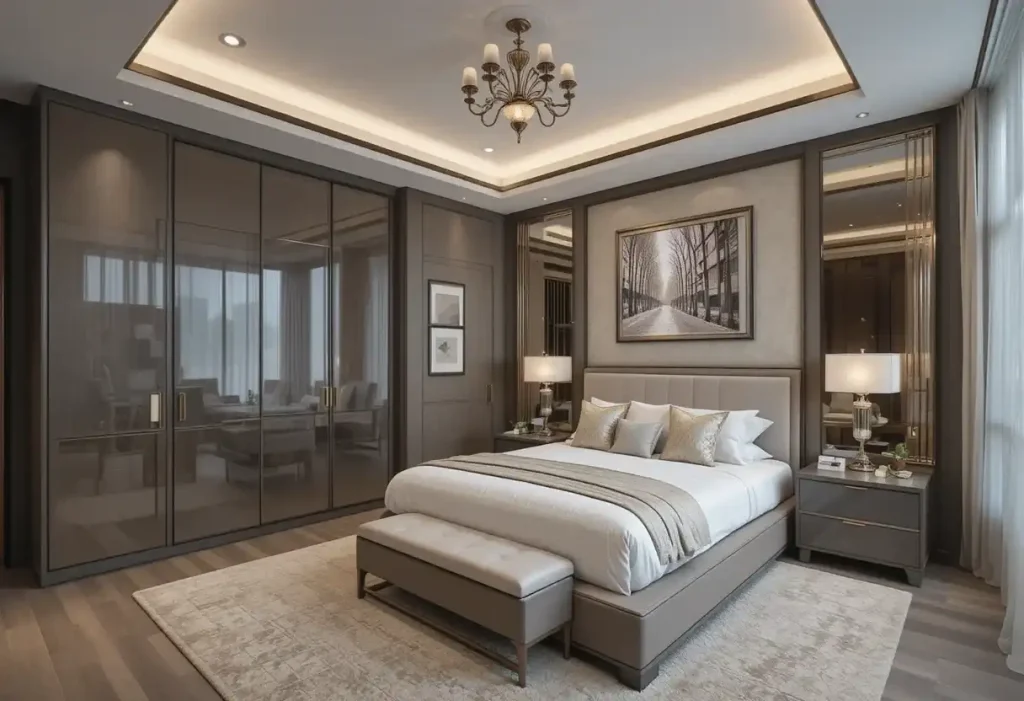
11 — Deep Atmosphere
Dark & Moody Bedrooms
Deep tones like navy blue, charcoal gray, and forest green bring a sense of quiet drama to the bedroom. A darker color scheme creates a cozy, enveloping setting that feels private and calm.
Balancing darker walls with lighter fabrics, metallic accents, and natural wood keeps the space from feeling too enclosed. Incorporating varied light sources, such as wall sconces and table lamps, ensures the room remains warm and inviting.
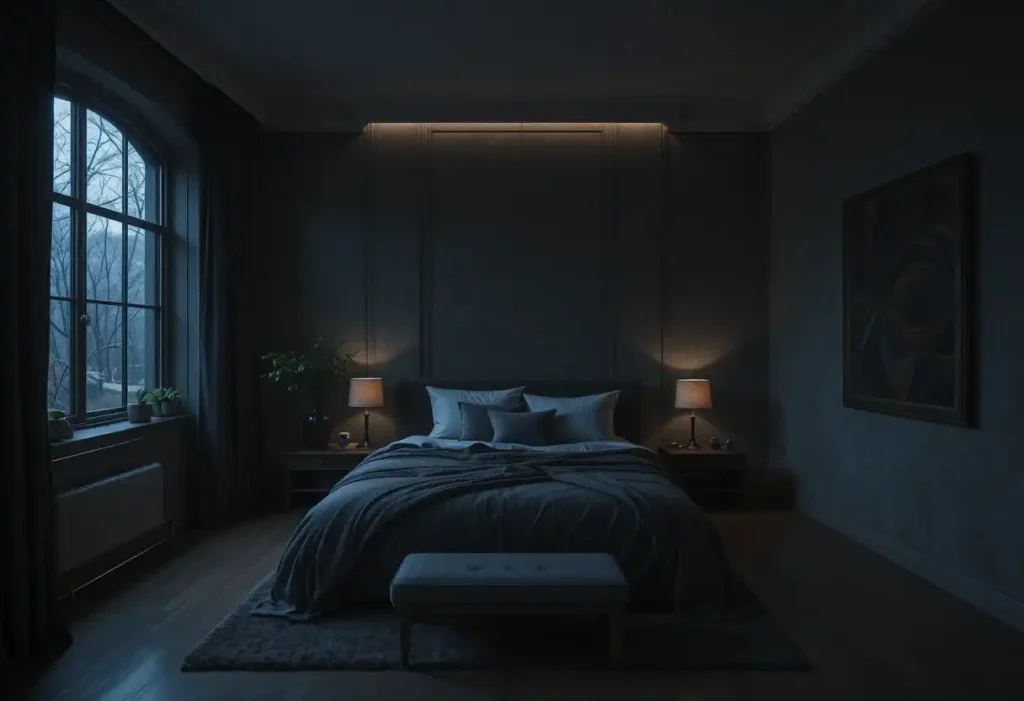
12 — Streamlined Function
Functional Luxury Spaces
Modern luxury focuses on combining high-end materials with daily practicality. Integrated wardrobes, smart storage solutions, and multi-functional furniture help keep the master suite organized and serene.
This style ensures that essentials remain accessible but tucked away, keeping clutter out of sight. A clean space is enhanced by thoughtful details, like choosing the right modern bedroom lamps to provide perfect ambient light and visual appeal.
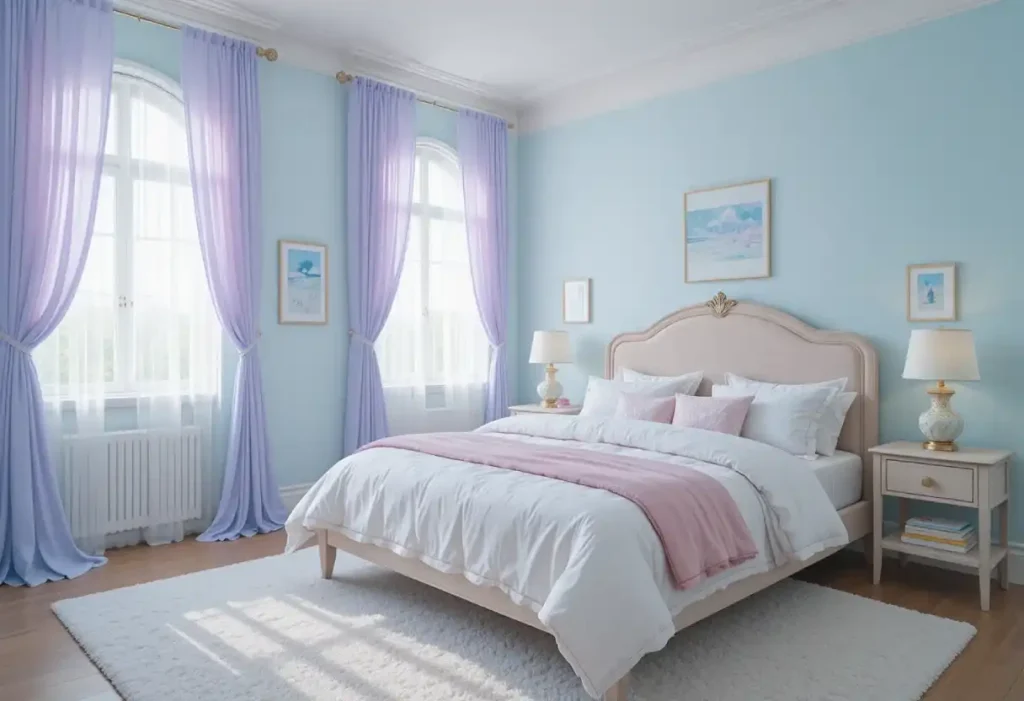
13 — Dimensional Surfaces
Textured Wall Accents
Textured walls are an excellent way to introduce depth to a bedroom without relying on loud patterns. Options like wood slatted panels, limewash plaster, or textured wallpapers create a rich back-drop for your bed.
Keeping the surrounding decor simple and neutral lets the textured wall stand as the main focus, adding character to modern layouts.
14 — Invisible Tech
Smart Bedroom Integration
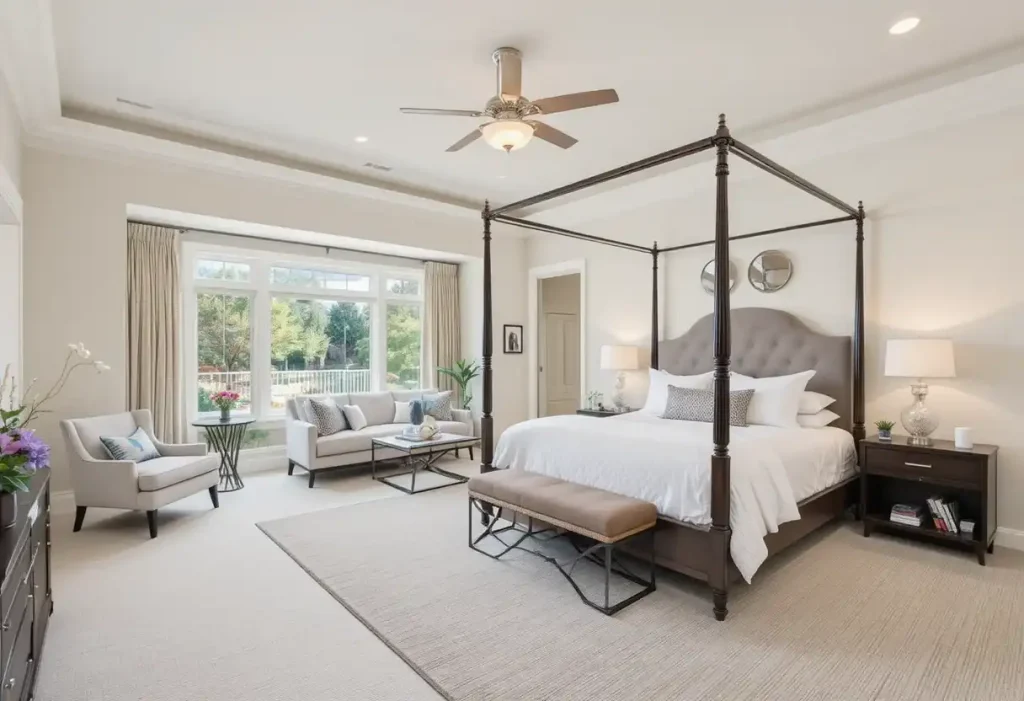
Integrating smart home features can significantly improve your daily comfort. Automated shades that adjust with the sun, smart thermostats, and dimmable, app-controlled lighting help create an ideal sleep environment.
When technology is seamlessly integrated into the room’s design—like hiding wiring and choosing understated smart devices—it enhances the function of the space without distracting from its beauty.
15 — Heritage Warmth
Sleigh Bed Farmhouse Charm
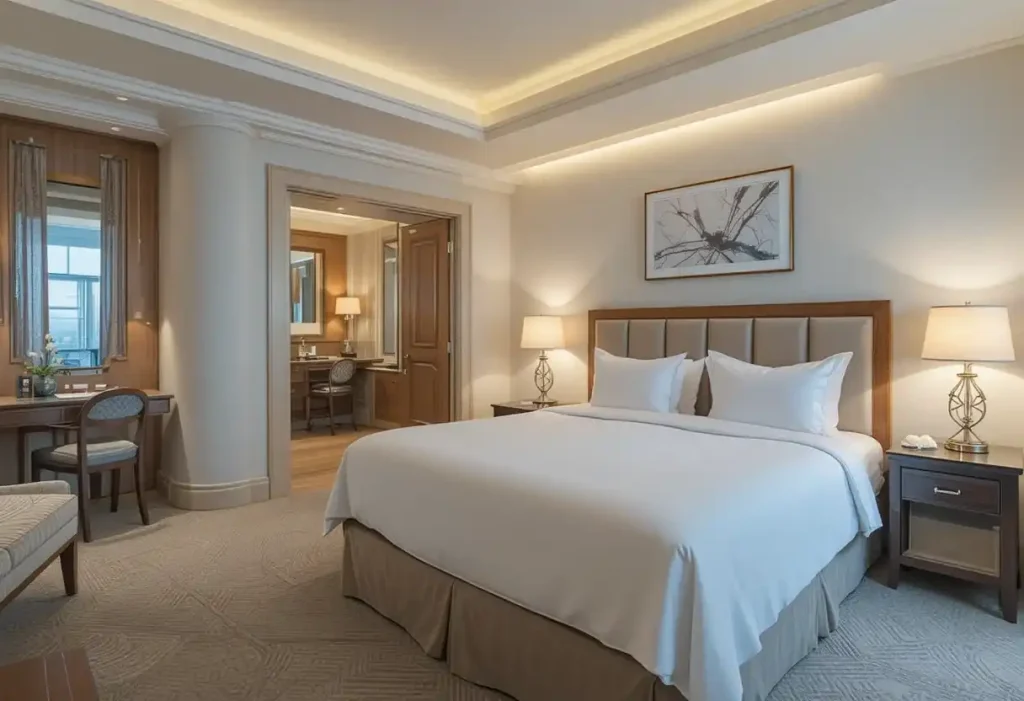
For a design that feels classic and grounded, pairing a wooden sleigh bed with modern farmhouse accents brings instant warmth. The curved lines of a sleigh bed introduce historic character to the room.
Layering the bed with simple, soft linen sheets and maintaining a neutral color palette keeps the rustic style feeling fresh and updated, creating a cozy and timeless retreat.
16 — Versatile Living
Multi-Zone Master Bedrooms
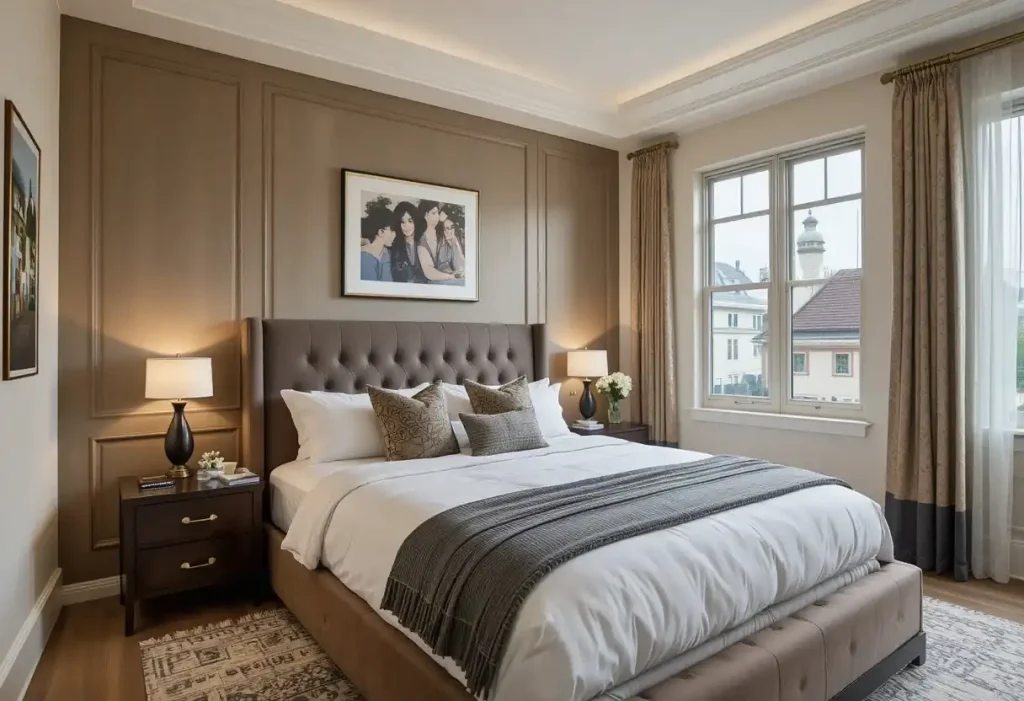
For larger spaces, setting up multiple functional zones adds flexibility to the master suite. Incorporating a cozy reading armchair, a small desk area, or a vanity table helps you make the most of your space.
Using natural light to illuminate these individual zones makes the entire room feel cohesive and comfortable throughout the day.
17 — Intentional Rest
Calm & Cozy Retreat Style
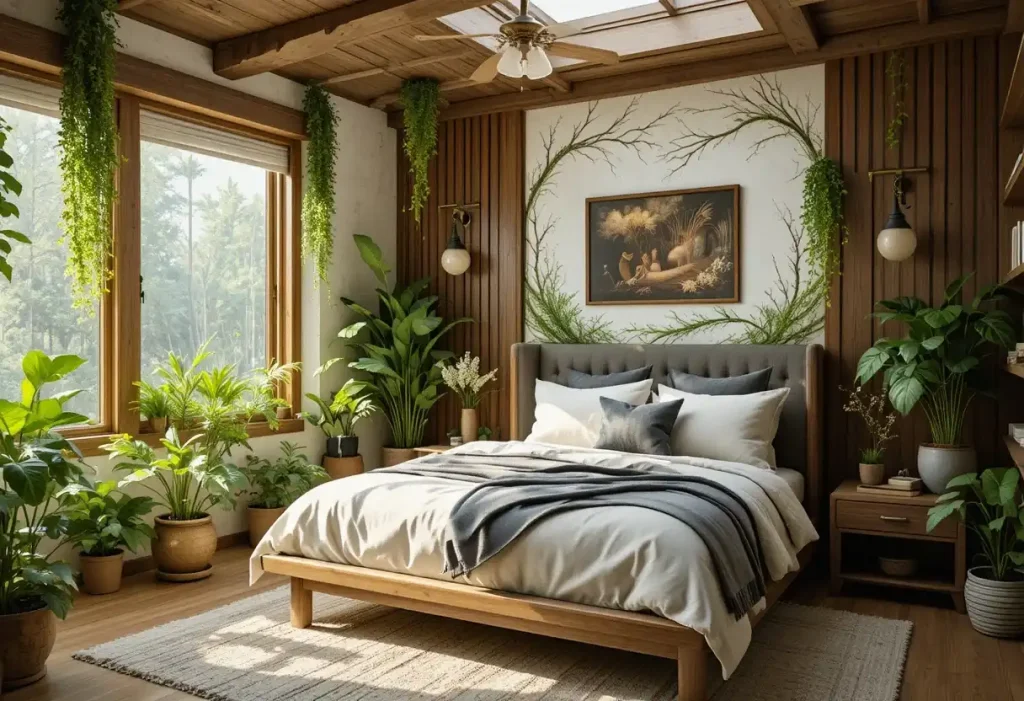
A calm, cozy design is defined by soft tones, plush textiles, and simple arrangements. Prioritizing comfort over elaborate decor keeps the room feeling peaceful and restorative.
Keeping visual clutter to a minimum is essential for a relaxing space. As highlighted in design resources like Homevizo, keeping horizontal surfaces clear allows the eyes and mind to rest fully.
18 — Luminous Warmth
Elegant Lighting Concepts
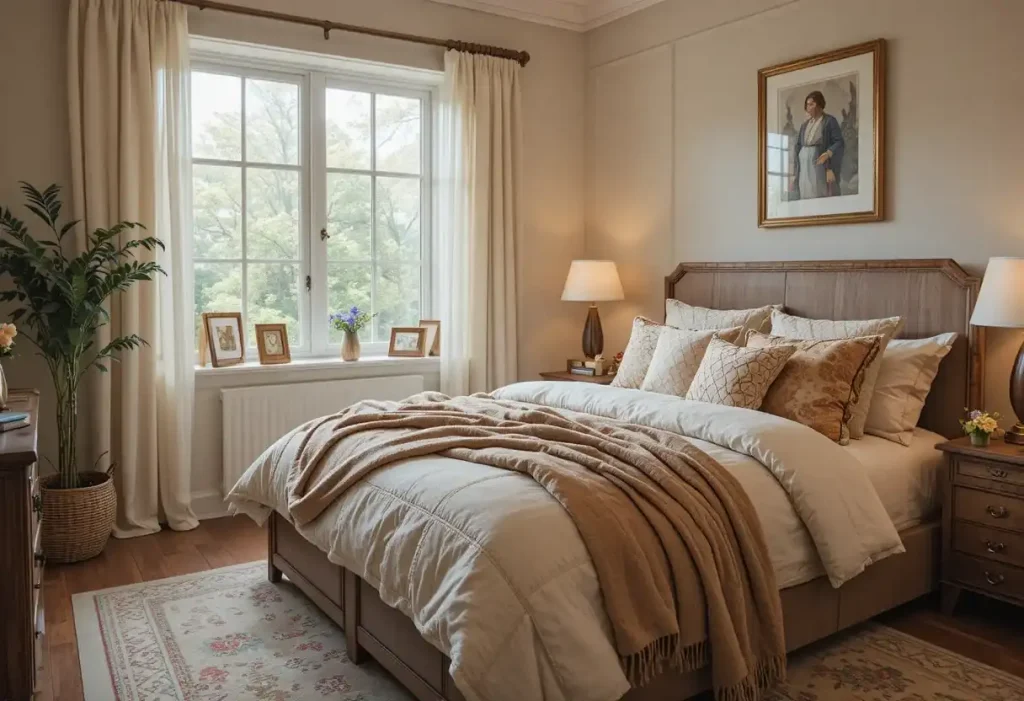
The right lighting layout can completely change the feel of a bedroom. Layering different types of light—such as overhead ambient fixtures, focused reading lamps, and gentle accent lights—creates depth and warmth.
Choosing warm-toned lightbulbs helps build a relaxing atmosphere, making the room feel cozy and inviting in the evenings.
19 — Curated Narratives
Personalized Decor Touch
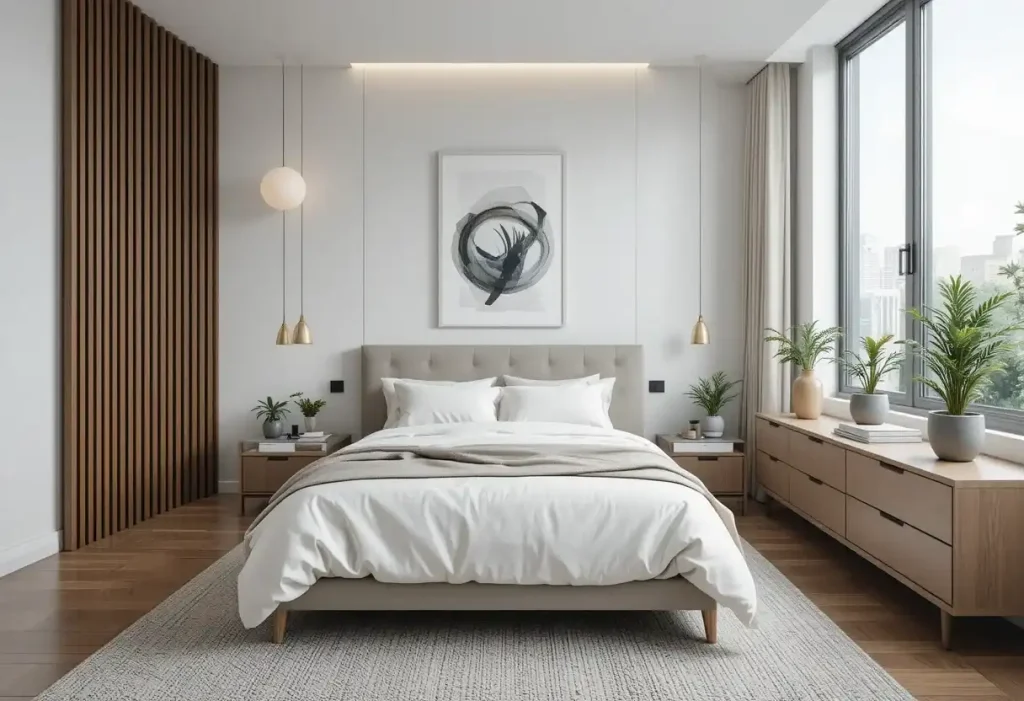
Adding meaningful decorative accents—such as curated artwork, framed photos, or cherished objects—gives the bedroom a unique personality that reflects your lifestyle.
The key is moderation. Keeping decorative items limited and well-spaced ensures they make a statement without cluttering the room.
20 — Lasting Comfort
Timeless Classic Bedrooms
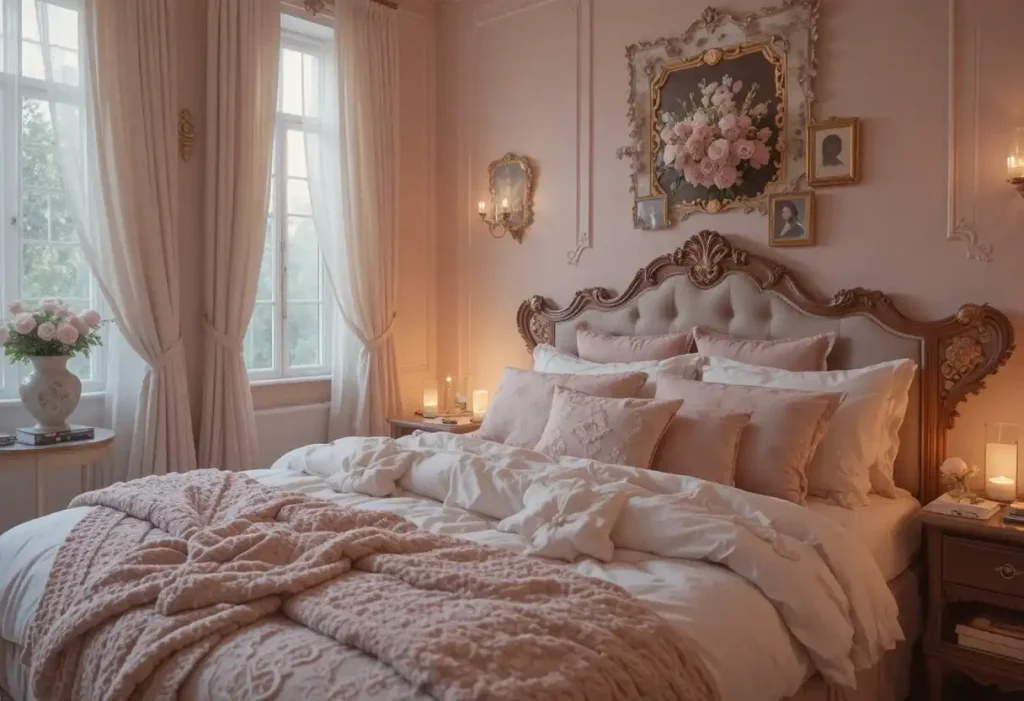
Classic bedroom layouts prioritize symmetry, balance, and clean, neutral colors. This enduring design approach focuses on high-quality wood furniture, simple linens, and traditional accents that age gracefully.
Choosing timeless pieces ensures your bedroom remains comfortable, functional, and visually appealing for years to come.
Common Master Suite Mistakes to Avoid
-
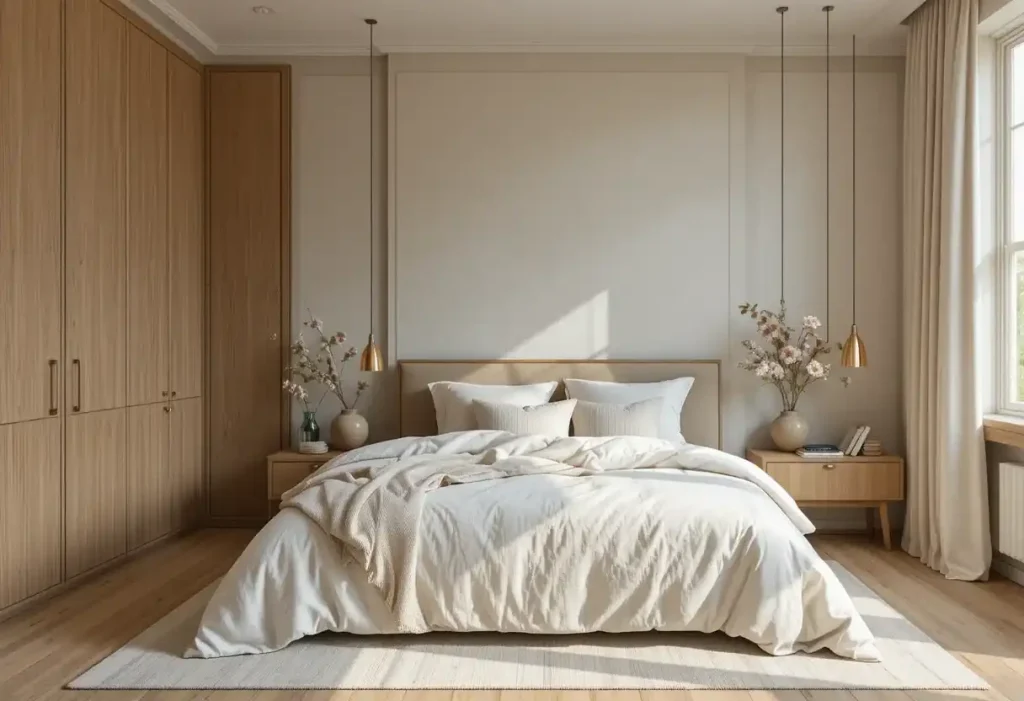
Disproportionate Scale: Selecting a rug or headboard that is too small for a large master bedroom can make the entire space feel disjointed.
-
Relying on a Single Light Source: Using only a bright overhead light can make a bedroom feel harsh. Layering table lamps and dimmable sconces is essential for a cozy feel.
-
Overlooking Texture in Neutrals: Designing a neutral-colored room without introducing different textures—such as wood, linen, and velvet—can leave the space looking flat and uninviting.
Frequently Asked Questions
What are the leading master bedroom color trends for 2026?
For 2026, warm alabasters, raw cashmere, sage mists, and moody deep charcoal tones lead the way. Homeowners are shifting from stark grays to colors that offer organic warmth and psychological comfort.
How do I make a large master bedroom feel cozy?
Divide your space into functional zones, such as a designated sleeping area, a reading nook with a plush armchair, or a soft rug layer. Using rich wood elements and layered fabrics like heavy linen and boucle also visually balances cold expanses.
What is biophilic design in the bedroom?
Biophilic design incorporates natural elements like indoor plants, earthy color palettes, natural lighting, and raw timber materials to cultivate a calming environment that lowers stress and enhances sleep hygiene.
Conclusion
Designing a master bedroom is all about balancing daily comfort with your personal style. Whether you are drawn to calm neutral tones, romantic touches, or clean modern lines, the most successful designs prioritize rest and relaxation. By focusing on layered textures, functional layouts, and warm lighting, you can easily transform your primary suite into a comforting personal sanctuary.